Treatment 4 of 5 · West El Paso
Post-Operative Care
Manual lymphatic drainage after surgery — gentle, unhurried, and built around what your surgeon has asked for, not around what fits our calendar.
- Time in the room
- 60–90 minutes
- When to start
- Your surgeon decides
- Price
- After The Discovery
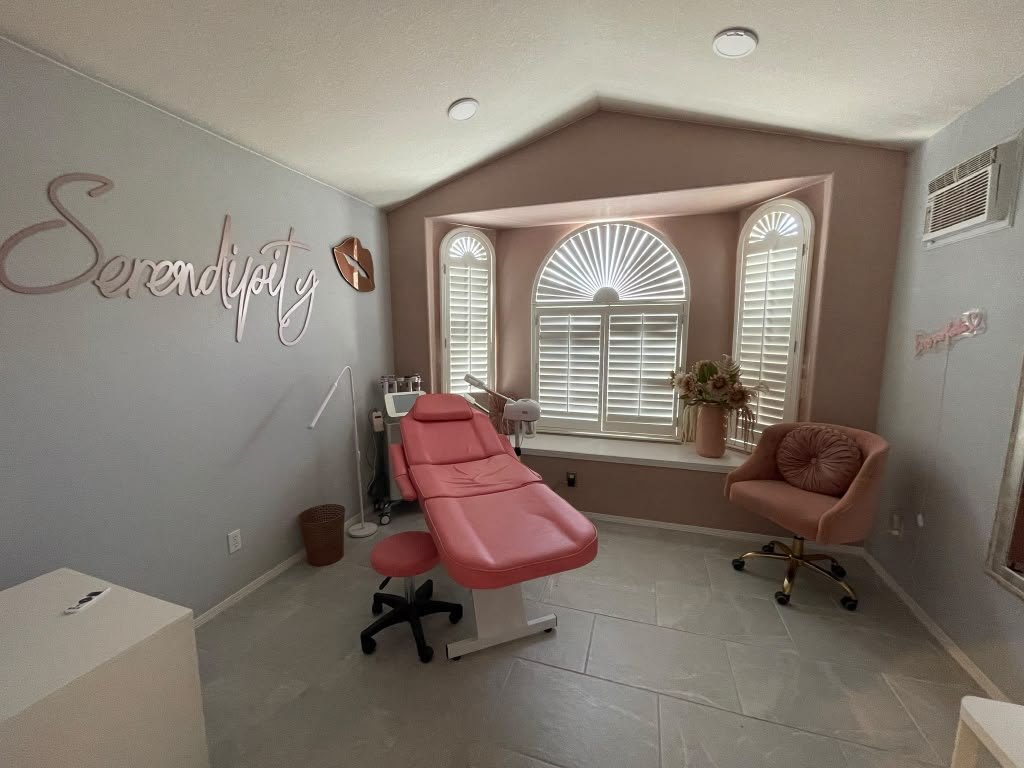
What it actually is
Cosmetic surgery interrupts the lymphatic system. Channels are disturbed, fluid collects where it has nowhere to go, and the result is swelling, tightness and that heavy, unfamiliar feeling in the first weeks. Manual lymphatic drainage is the work of encouraging that fluid back toward nodes that are still doing their job.
It is far lighter than people expect. The pressure is closer to a slow stroke than to a massage, because the vessels being worked with sit just under the skin. Anyone treating post-operative bodies with deep pressure is not doing lymphatic drainage.
This is the part of the menu that most rewards experience. Drains, compression garments, the difference between normal week-two swelling and something that needs a phone call — that is handled here rather than guessed at.
Who it’s for
- You’ve had liposuction, a BBL, a tummy tuck or breast surgery
- Your surgeon has recommended lymphatic drainage as part of recovery
- You’re swollen, tight and unsure what is normal at this stage
- You want someone unhurried who will explain what they are seeing
What happens in the room
Your surgeon’s instructions first
Bring them. The schedule, pressure and positioning are all built from what they have asked for.
Look at the area
Incisions, drains, garment fit and how the swelling is sitting today.
Position with support
Bolsters and pillows so you are not holding yourself anywhere. Nothing is done to a tense body.
Drain, then refit
Slow, light, directional work toward the working nodes, then your compression garment is refitted properly before you leave.
What it will not do
This is recovery support, not medical care. If anything looks outside normal healing, you will be sent back to your surgeon rather than treated.
When to call your surgeon instead
Call your surgeon or seek urgent care — not this studio — if you have a fever, spreading redness or heat, foul-smelling drainage, an incision that opens, sudden hard swelling on one side, or pain in one calf. None of that is something to treat with massage.
Afterwards
- Wear your compression exactly as your surgeon instructed — it does most of the work between sessions
- Water, and short walks rather than long ones
- Sleep in the position your surgeon specified, even when it is uncomfortable
- Come back on the spacing agreed — drainage works cumulatively and gaps undo it
Questions about post-operative care
How soon after surgery can I start?
Your surgeon decides. Many clear lymphatic drainage within the first week, some later. Bring their written instructions to The Discovery and the schedule is built around them.
How many sessions will I need?
It varies with the procedure and how you heal. Many people come frequently in the early weeks and taper. You get an estimate at The Discovery and it is adjusted as your recovery goes.
Does it hurt?
It should not. Lymphatic drainage is very light work. Some areas will be tender because of the surgery itself, and the pressure is adjusted around them.
Do you work with my surgeon’s instructions?
Always. Their protocol comes first — timing, positioning, compression, restrictions. If their instructions and anything here disagree, theirs win.
In their words
About post-operative care.
Reviews left by people who came in for this specific treatment.
You’re already beautiful,
embrace it.
Also on the menu
The other four.
Treatments are often combined. The right order and spacing gets planned at The Discovery.